From the Annals of Rajasthan
Rajasthan is vibrant. It tells stories of bravery, beauty and benevolence. Here's how traveling defines this vibrance.
Saima Perween
1/31/20262 min read
My journey to Rajasthan was not just a trip; it was a story unfolding with every mile I traveled. From grand palaces to quiet temples, from crowded bazaars to peaceful lakes, Rajasthan welcomed me with colors, history, and emotions I will always remember. What made this journey even more special was that we planned it carefully, keeping our budget in mind as a middle-class family. With smart planning, low-cost travel options, and contactless payments, we proved that beautiful journeys do not always need expensive tickets or luxury hotels.
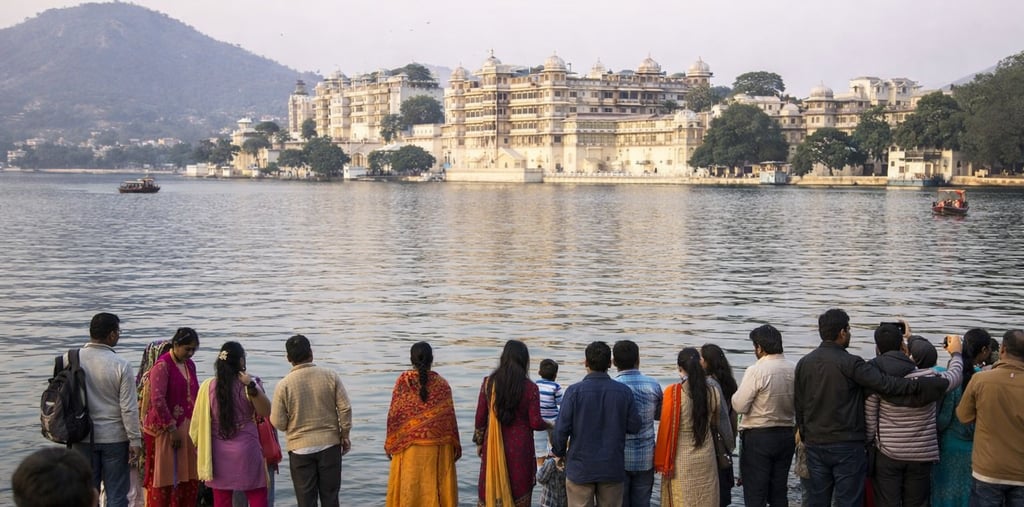
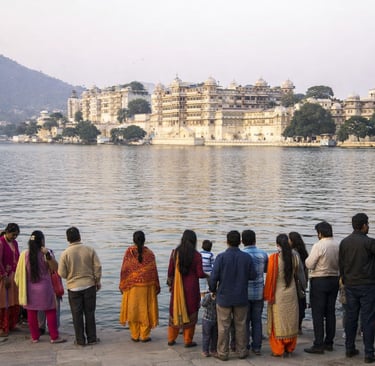
We began our journey in Udaipur, the City of Lakes. To save money, we chose an affordable train and stayed in a clean, simple hotel near the main market. As I stood near Lake Pichola, watching the sunlight reflect on the calm water, I felt a strange sense of peace. The City Palace looked like a dream rising from the lake, and the narrow streets nearby were full of life. We walked more and used local transport, which helped us stay within budget and also see the city closely. Paying for tickets and food using UPI made everything easy and safe, without worrying about carrying cash. A boat ride on the lake was our small planned expense, and it felt completely worth it.
From Udaipur, we traveled to Jodhpur, the Blue City. Again, we chose budget transport and simple food from local shops, which was both tasty and affordable. The first thing that caught my eye was the mighty Mehrangarh Fort standing proudly over the city. As I climbed up, I could see houses painted in different shades of blue, spreading like a painting below. Inside the fort, the walls seemed to whisper stories of kings, battles, and bravery. In the markets, we compared prices, avoided unnecessary shopping, and used contactless payments to manage our expenses better. Jodhpur taught me that you can enjoy history and culture without spending too much.
Next came Jaipur, the Pink City. Jaipur felt busier and grander, like a city that never stops telling stories. We used public transport and shared autos to save money and reach places like Hawa Mahal, Amer Fort, and the City Palace. The markets were full of colors—pink turbans, bright bangles, and shining jewelry—but we bought only small souvenirs as memories, not expensive items. Because we had a clear budget, every rupee felt well spent, and every payment through UPI helped us track our expenses easily.
Finally, we traveled to Ajmer to visit the holy shrine of Khwaja Moinuddin Chishti. The atmosphere there was quiet, respectful, and deeply spiritual. People from different places had come with hopes and prayers in their hearts. Standing there, I felt grateful—not only for the journey, but also for the fact that we managed it wisely and within our limits.
This trip to Rajasthan taught me that travel is not about spending a lot of money, but about planning smartly and feeling every moment. From the beauty of Udaipur to the strength of Jodhpur, the royalty of Jaipur, and the peace of Ajmer, this journey showed me that even a middle-class budget can create rich and unforgettable memories.