Kochi - A Smart Travelling Guide
"Malayli Ano" won't cut it. Love and smart traveling would on the backwaters of Kochi. Join me in my journey through this amazing saga of sailing and conversing.
Ojas
2/20/20262 min read
Travel has always felt like a part of who I am. After exploring many beautiful places in the South, one destination that left a deep mark on my heart was Kochi, or as many lovingly call it, Cochin. Unlike anywhere else I had been, Kochi felt like a living storybook where history, culture, and the sea come together. What made this trip even more meaningful was the way I experienced it—simply, thoughtfully, and within a budget, proving that smart travel can be just as rich as luxurious travel.
I reached Kochi by choosing economical travel options and continued the same approach within the city. Instead of taking expensive cabs, I used state buses and the public ferry, which was not only cheaper but also gave me beautiful views of the water and the busy harbor life. My first stop was Fort Kochi, where the famous Chinese fishing nets stood like quiet guardians of the shore. Since the area is compact, I explored it mostly on foot, which saved money and also helped me discover quiet streets, old buildings, and small cafés hidden away from the main crowd. Visiting early in the morning helped me avoid crowds and unnecessary spending at tourist shops, and the calm sea breeze made the experience even more special.
From Fort Kochi, I traveled to Mattancherry using local buses and shared autos, which were far more affordable than private taxis. The Mattancherry Palace welcomed me with its peaceful halls and stories of the past, and the entry fee was small enough to fit easily into my budget. The Paradesi Synagogue was close by, so I walked there instead of spending more on transport. Planning nearby places together saved both time and money, and it also made the day feel relaxed rather than rushed.
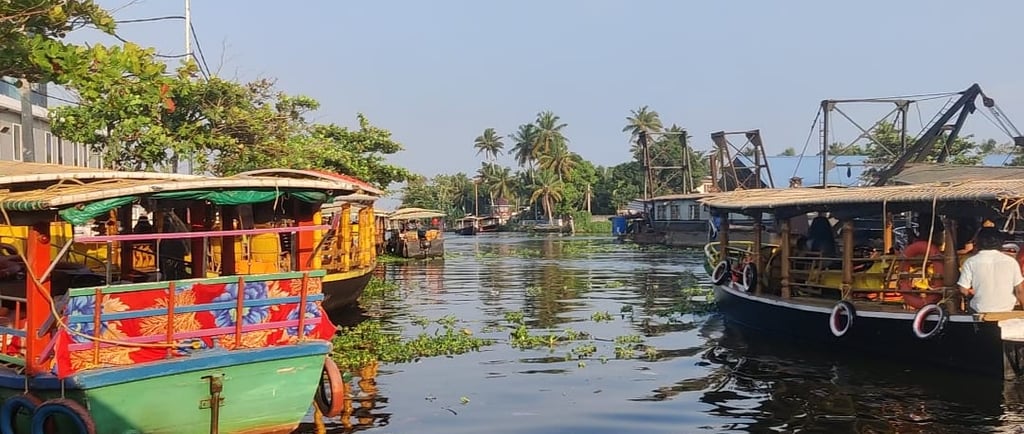
One of the most memorable parts of my trip was exploring the backwaters. Instead of booking an expensive private houseboat, I chose a shared boat ride. It cost much less but offered the same beautiful views of coconut trees, quiet waters, and small villages along the banks. Buying tickets directly from the counter helped me avoid extra charges, and I realized that a little research can make a big difference in travel expenses.
Food in Kochi was another pleasant surprise. I avoided high-end tourist restaurants and ate at small local eateries where the food was authentic and affordable. Simple meals like appam and stew tasted even better because they were honest and comforting. For small payments, I mostly used UPI apps like Google Pay and PhonePe, which made transactions quick and helped me keep track of my spending without carrying too much cash.
I also spent time walking through art-filled streets and small galleries, many of which had free entry. Local markets were fun to explore, and by comparing prices and bargaining politely, I managed to buy a few souvenirs without overspending. Every choice I made—taking a bus, walking instead of using a cab, choosing shared rides, or eating where locals eat—reminded me that smart travel is not about cutting experiences, but about choosing them wisely.
Looking back, Kochi was not just about history and sea views; it was a lesson in thoughtful travel. The sunset at the Chinese fishing nets, the quiet halls of Mattancherry Palace, and the peaceful backwaters became even more special because I experienced them simply and affordably. Even today, whenever I think about travel, Kochi feels like a chapter I would happily read again—smartly, simply, and beautifully.