The City that Lives, Breathes and Redeems - Kashi
Welcome to the enchanting tale of Kashi and Mahadev.
Ojas
2/20/20262 min read
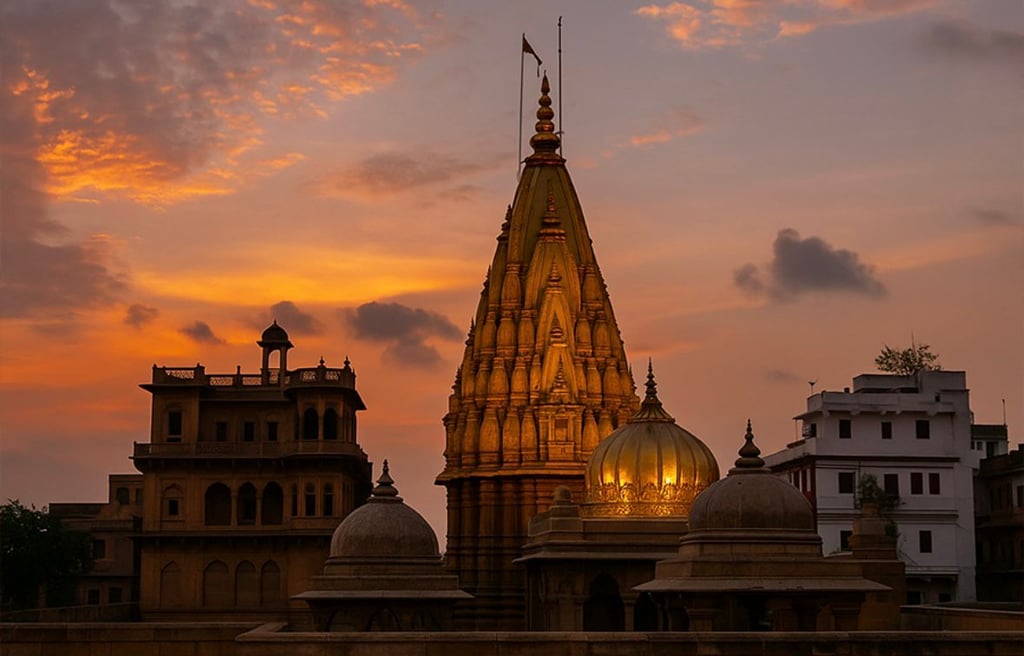
I recently visited Varanasi, also known as Kashi or Banaras, one of the world’s oldest living cities, and the journey felt less like a trip and more like a deep emotional and cultural experience. Located on the banks of the sacred Ganga River, the city welcomed me with a beautiful blend of spirituality, history, heritage, and unforgettable food. As a middle-class family, we planned this trip carefully, keeping our budget in mind and proving that meaningful travel does not need luxury—only smart choices. We booked affordable train tickets in advance, chose budget accommodation near the old city, and mostly used public transport, e-rickshaws, and shared autos to move around.
My spiritual journey began at the Kashi Vishwanath Temple, one of the twelve Jyotirlingas of Lord Shiva. Walking through the narrow lanes filled with temple bells, chants, and busy local life was an experience in itself. After offering my prayers, I felt a deep sense of calm and connection. We reached early to avoid long queues and crowds, which also saved time and small extra expenses. For most payments, we used UPI apps, which made things easy and safe without carrying too much cash.
Next, I visited the Kal Bhairav Temple, where Lord Kal Bhairav is worshipped as the guardian of Kashi. The powerful atmosphere of the temple reflected the deep faith of the people, and once again I felt how deeply spirituality is woven into daily life here. To experience a quieter side of the city, we went to Banaras Hindu University. The wide roads, greenery, and peaceful surroundings were a refreshing change from the crowded old city. Inside the campus, I visited the New Vishwanath Temple and the Bharat Kala Bhavan Museum, which gave me a deeper understanding of India’s rich art and cultural heritage, all at a very affordable cost.
We then traveled about ten kilometers to Sarnath using local transport instead of a private cab. This is where Lord Buddha delivered his first sermon after attaining enlightenment. Standing near the Dhamek Stupa and walking around the peaceful ruins gave me a sense of calm and reflection. At the Archaeological Museum, seeing the Ashoka Lion Capital, India’s national emblem, felt truly special. Planning nearby places together helped us save both time and money.
Across the Ganga River, I explored the historic Ramnagar Fort, the former residence of the Maharaja of Kashi. The museum displayed royal costumes, vintage cars, weapons, manuscripts, and artifacts that reflected the royal lifestyle of the past. The sunset view of the river from the fort became one of the most memorable moments of my visit, and reaching there by shared transport kept the journey affordable.
The ghats felt like the soul of Varanasi. In the evening, I attended the Ganga Aarti at Dashashwamedh Ghat, where the lamps, chants, and synchronized rituals created a magical atmosphere. The next morning, I visited Assi Ghat to watch the sunrise and took a budget-friendly boat ride that showed me the city slowly waking up.
Food was another highlight. I enjoyed kachori-sabzi, tamatar chaat, baati chokha, winter-special malaiyyo, and thick lassi in clay cups, choosing small local shops instead of expensive restaurants. I also explored Banarasi paan, learned about Banarasi silk sarees, and heard stories of the famous Langda mango.
What made Varanasi truly special was how it blends devotion, heritage, and daily life. Traveling smart—using public transport, booking in advance, choosing simple stays, and paying digitally—helped us stay within budget. Varanasi was not just a destination for me; it was a journey of culture, spirituality, and emotion that I will always remember.